
Contract Lifecycle Management Software
Contracts are a part of almost every business. Companies use contracts when hiring employees, working with vendors, signing clients, purchasing products, or creating partnerships. As a business grows, managing contracts becomes more difficult. Documents can get lost, deadlines can be missed, and important terms may be overlooked.
This is where contract lifecycle management software becomes valuable.According to insights shared by DocuSign on modern contract management practices, businesses can improve efficiency and gain better visibility into their agreements by adopting digital contract workflows. You can learn more about these practices here: https://www.docusign.com/products/clm.
Many organizations in the United States are now investing in contract management tools because they save time, reduce errors, and improve compliance. . Additional information about contract management best practices is available at https://www.worldcc.com/. Whether you run a small business or a large company, the right solution can make contract management much easier.
In this guide, you will learn how contract lifecycle management software works, its benefits, important features, and how to choose the right platform for your business.
What Is Contract Lifecycle Management Software?
Contract lifecycle management software is a digital solution that helps businesses manage contracts from start to finish.
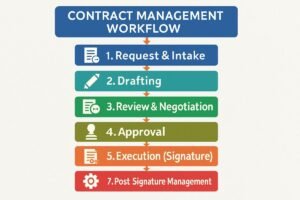
The contract lifecycle usually includes:
- Contract creation
- Contract review
- Approval process
- Electronic signing
- Contract storage
- Contract monitoring
- Contract renewal or termination
Instead of managing these stages manually, businesses can automate many tasks through software. This improves efficiency and reduces the risk of missing important deadlines or obligations.
The main goal of contract lifecycle management software is to simplify the entire contract process while improving visibility and control.
Why Businesses Need Contract Lifecycle Management Software
Many companies still manage contracts through email chains and shared folders. While this may work for a few contracts, it becomes difficult as contract volume increases.
Here are some common challenges businesses face:
| Challenge | Impact |
|---|---|
| Lost documents | Delays and compliance risks |
| Missed renewal dates | Unwanted contract renewals |
| Slow approval processes | Reduced productivity |
| Lack of visibility | Difficulty tracking obligations |
| Manual data entry | Increased errors |
Contract lifecycle management software solves these problems by providing a centralized system for managing every contract.
Key Benefits of Contract Lifecycle Management Software
Improved Organization
All contracts are stored in one secure location. Employees can quickly search and find documents without wasting time.
Faster Contract Approvals
Automated workflows send contracts to the right people for approval. This reduces delays and speeds up business operations.
Better Compliance
The software helps companies follow internal policies and legal requirements. Automated reminders ensure important dates are not missed.
Reduced Risk
Businesses can track obligations, deadlines, and renewal dates more effectively. This helps avoid costly mistakes.
Time Savings
Many repetitive tasks can be automated. Employees spend less time managing paperwork and more time on important work.
Greater Visibility
Managers can view contract status, upcoming renewals, and pending approvals through dashboards and reports.
How Contract Lifecycle Management Software Works
The software follows a structured process throughout the life of a contract.
Contract Creation
Users create contracts using templates or pre-approved clauses. This ensures consistency across agreements.
Contract Review
Legal teams and stakeholders review contract terms. Comments and edits can be managed within the platform.
Approval Workflow
The contract moves through predefined approval steps. Notifications are sent automatically to reviewers.
Electronic Signature
Contracts can be signed electronically, making the process faster and more convenient.
Storage and Management
Signed contracts are stored in a secure repository where they can be searched and accessed anytime.
Monitoring and Renewal
The software tracks important milestones and sends alerts before renewal dates or expiration dates.
Essential Features to Look For
Not every platform offers the same capabilities. Before choosing a solution, consider the following features.
| Feature | Why It Matters |
| Contract Templates | Speeds up contract creation |
| Automated Workflows | Reduces manual work |
| E-signature Integration | Faster contract execution |
| Search Functionality | Easy document retrieval |
| Renewal Alerts | Prevents missed deadlines |
| Reporting Tools | Provides valuable insights |
| Security Controls | Protects sensitive information |
| Mobile Access | Allows remote management |
These features can significantly improve contract efficiency and reduce administrative workload.
Industries That Use Contract Lifecycle Management Software
Many industries rely on contracts every day.
Healthcare
Healthcare organizations use contracts with suppliers, service providers, and medical professionals.
Technology
Technology companies manage software agreements, licensing contracts, and vendor relationships.
Manufacturing
Manufacturers use contracts for procurement, logistics, and supplier management.
Financial Services
Banks and financial institutions use contracts for partnerships, services, and compliance requirements.
Real Estate
Property management companies handle leases, vendor agreements, and service contracts.
Human Resources
HR departments manage employee agreements and onboarding documents.
Top Contract Lifecycle Management Software Options
Several solutions are popular among businesses in the United States.
| Software | Key Strength |
| DocuSign CLM | Strong e-signature integration |
| Ironclad | User-friendly workflows |
| Agiloft | High customization |
| Conga CLM | Enterprise-level features |
| Icertis | Advanced contract intelligence |
| ContractWorks | Simple and affordable |
Businesses should compare features, pricing, support, and scalability before making a decision.
Also Read – 7 Benefits of Contract Lifecycle Management Software for Modern Businesses
Understanding DocuSign Contract Lifecycle Management Software
Many organizations are familiar with DocuSign because of its electronic signature services. However, DocuSign contract lifecycle management software offers much more than document signing.
The platform helps businesses create, manage, approve, and track contracts throughout their entire lifecycle.
Some advantages include:
- Automated workflows
- Centralized contract storage
- Approval routing
- Integration with business applications
- Electronic signature capabilities
- Contract reporting tools
Companies that already use DocuSign for signatures often find it easier to adopt the full contract management platform.
How to Choose the Best Contract Lifecycle Management Software
Finding the best contract lifecycle management software depends on your business needs.
Consider the following factors.
Company Size
Small businesses may need simple tools with basic automation. Large enterprises often require advanced workflows and integrations.
Budget
Software costs vary significantly. Consider both implementation costs and ongoing subscription fees.
Ease of Use
A user-friendly platform encourages employee adoption and reduces training time.
Integration Capabilities
The software should connect with existing business systems such as CRM, ERP, and document management platforms.
Security Standards
Contracts often contain sensitive information. Strong security features are essential.
Customer Support
Reliable support can make implementation and daily use much easier.
Common Mistakes Businesses Make
Many companies invest in software but fail to achieve the expected results.
Here are some common mistakes:
Choosing Based Only on Price
The cheapest solution may lack important features that your business needs.
Ignoring User Experience
If employees find the software difficult to use, adoption rates may be low.
Skipping Employee Training
Proper training helps teams use the platform effectively.
Not Defining Workflows
Businesses should establish clear approval processes before implementation.
Failing to Review Contracts Regularly
Even with software, contracts should be reviewed periodically to ensure compliance.
Future Trends in Contract Lifecycle Management
Contract management technology continues to evolve.
Several trends are shaping the future of the industry.
Artificial Intelligence Assistance
AI can help identify important clauses, summarize contracts, and highlight risks.
Greater Automation
More tasks will become automated, reducing manual effort.
Cloud-Based Platforms
Cloud solutions provide easier access and scalability.
Better Analytics
Advanced reporting tools help businesses understand contract performance.
Improved Collaboration
Teams can work together more efficiently within a single platform.
Organizations that adopt modern contract management systems can stay competitive and improve operational efficiency.
Return on Investment
Many businesses wonder whether contract management software is worth the investment.
The benefits often include:
- Reduced administrative costs
- Faster contract completion
- Lower legal risk
- Better compliance
- Improved visibility
- Increased productivity
Over time, these advantages can create significant value for businesses of all sizes.
Frequently Asked Questions
What is contract lifecycle management software?
Contract lifecycle management software is a digital platform that helps businesses create, review, approve, sign, store, track, and renew contracts throughout their lifecycle.
Why do companies use contract lifecycle management software?
Companies use it to improve efficiency, reduce risk, automate workflows, and keep contracts organized in one secure location.
Is contract lifecycle management software suitable for small businesses?
Yes. Many providers offer solutions designed specifically for small and medium-sized businesses.
How does DocuSign contract lifecycle management software help businesses?
DocuSign contract lifecycle management software combines contract management features with electronic signatures, helping businesses manage contracts from creation to completion.
Can contract lifecycle management software improve compliance?
Yes. It helps organizations monitor deadlines, approvals, obligations, and document retention requirements more effectively.
How long does implementation take?
Implementation time depends on company size, workflow complexity, and integration requirements. Some businesses can start within weeks, while larger organizations may need several months.
Is cloud-based contract management secure?
Most leading providers use advanced encryption, access controls, and security measures to protect sensitive contract information.
Conclusion
Managing contracts manually can create unnecessary challenges for businesses. Missed deadlines, lost documents, and slow approval processes can impact productivity and increase risk. Modern contract lifecycle management software helps companies streamline every stage of the contract process, from creation to renewal.
Whether you are looking for the top contract lifecycle management software solutions available today or evaluating docusign contract lifecycle management software, the key is choosing a platform that matches your business goals and workflow requirements.
The best contract lifecycle management software provides automation, security, visibility, and efficiency while helping organizations stay compliant and organized. As businesses continue to handle larger volumes of contracts, investing in a reliable contract management solution can support long-term growth and operational success.