
Medical Billing Services
Running a healthcare practice involves much more than treating patients. Doctors, nurses, and healthcare staff also need to manage insurance claims, patient payments, coding, and revenue collection. These tasks can take a lot of time and effort. That is why many healthcare providers rely on medical billing services.
Medical billing is one of the most important parts of a successful healthcare practice. When claims are submitted correctly and payments are collected on time, a practice can maintain a healthy cash flow and focus more on patient care.
Today, healthcare providers of all sizes use professional billing companies to improve accuracy, reduce claim denials, and increase revenue. Whether you own a large medical center or a small clinic, choosing the right billing solution can make a significant difference.
This guide explains how medical billing services work, their benefits, and why many healthcare providers are now considering outsourcing their billing operations.
What Are Medical Billing Services?
Medical billing services help healthcare providers manage the financial side of patient care. These services handle insurance claims, payment processing, coding support, follow-ups, and account management.
The goal is simple: ensure that healthcare providers receive payment for the services they provide.
A medical billing company works with:
- Hospitals
- Private practices
- Clinics
- Specialty providers
- Urgent care centers
- Mental health practices
- Physical therapy centers
By handling billing tasks professionally, these companies help reduce administrative stress and improve payment collection.
Why Medical Billing Is Important
Medical billing directly affects a practice’s financial health.
If claims contain errors, insurance companies may reject or delay payments. This can create cash flow problems and increase administrative work.
Accurate billing helps practices:
- Receive payments faster
- Reduce claim denials
- Improve revenue collection
- Maintain patient satisfaction
- Reduce administrative workload
Without an efficient billing system, even a busy practice may struggle financially.
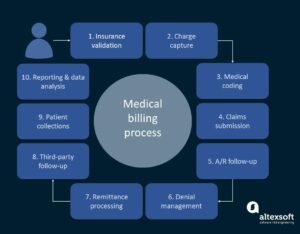
How Medical Billing Services Work
The billing process involves several important steps.
Patient Registration
The process begins when patient information is collected.
This includes:
- Name
- Insurance details
- Contact information
- Medical history
Accurate information helps prevent claim errors later.
Medical Coding
After treatment, healthcare services are converted into billing codes.
These codes describe:
- Diagnoses
- Procedures
- Treatments
- Medical services
Proper coding is essential for claim approval.
Claim Submission
The billing company submits claims to insurance providers.
Claims must contain accurate information to avoid delays.
Payment Processing
Insurance companies review claims and issue payments according to policy coverage.
Patient Billing
If a patient owes a balance, the billing service sends statements and manages collections.
Follow-Up and Appeals
Denied claims are reviewed and corrected when necessary.
The billing team follows up with insurance companies to maximize reimbursement.
Key Features of Medical Billing Services
Professional billing companies offer many valuable services.
Claims Management
Claims are prepared, reviewed, and submitted accurately.
Insurance Verification
Insurance coverage is verified before treatment whenever possible.
Payment Posting
Payments received from insurance companies and patients are recorded properly.
Denial Management
Denied claims are identified and corrected quickly.
Revenue Reporting
Practice owners receive reports that show:
- Revenue trends
- Collections
- Outstanding balances
- Claim performance
Patient Account Support
Patients receive assistance with billing questions and payment options.
Benefits of Medical Billing Services
Healthcare providers choose professional billing services for many reasons.
Increased Revenue
Accurate billing often leads to higher reimbursement rates.
Fewer errors mean fewer denied claims.
Better Efficiency
Doctors and staff spend less time handling paperwork.
This allows them to focus more on patient care.
Faster Payments
Professional billing teams follow strict procedures that help speed up payment processing.
Reduced Errors
Experienced billing specialists understand coding requirements and insurance guidelines.
Lower Administrative Burden
Office staff can spend more time helping patients rather than managing billing problems.
Medical Billing Services for Small Practices
Many independent healthcare providers benefit from medical billing services for small practices.
Small practices often have limited staff and resources.
Managing billing internally can create challenges such as:
- Staff shortages
- Billing errors
- Delayed payments
- Increased workload
Professional billing companies help solve these issues.
Why Small Practices Need Billing Support
Small practices must compete with larger healthcare organizations while maintaining excellent patient care.
Outsourcing billing allows providers to focus on treatment rather than administrative tasks.
Benefits for Small Practices
| Benefit | Description |
|---|---|
| Lower Administrative Work | Staff spend less time on billing |
| Improved Cash Flow | Faster claim processing |
| Better Accuracy | Reduced coding mistakes |
| Cost Savings | No need for a large billing department |
| More Time for Patients | Increased focus on patient care |
Many small clinics discover that professional billing support helps them grow more efficiently.
Medical Billing Services in California
Healthcare providers across the state increasingly use medical billing services in California to manage complex billing requirements.
Providers often deal with:
- Large patient volumes
- Multiple insurance carriers
- State-specific regulations
- Diverse healthcare needs
Professional billing companies help practices navigate these challenges.
Why California Providers Use Billing Services
California healthcare practices face unique administrative demands.
Professional billing services help with:
- Insurance claim management
- Revenue cycle support
- Coding compliance
- Payment tracking
Common Healthcare Providers Using Billing Services
| Provider Type | Billing Needs |
| Family Practices | Insurance claims and patient billing |
| Specialists | Complex procedure coding |
| Urgent Care Centers | High claim volume management |
| Mental Health Clinics | Ongoing treatment billing |
| Physical Therapy Clinics | Frequent claim submissions |
As healthcare regulations continue to evolve, billing support remains valuable for California providers.
Also check – Medical Billing Services: Streamline Revenue Cycle Management
Outsourcing Medical Billing Services
Many healthcare organizations now prefer outsourcing medical billing services rather than handling billing internally.
Outsourcing means hiring an external company to manage billing functions.
This approach offers several advantages.
Access to Experienced Professionals
Billing specialists stay updated on:
- Insurance changes
- Coding updates
- Industry requirements
Their expertise helps improve claim success rates.
Reduced Staffing Costs
Outsourcing often reduces payroll and training expenses.
Improved Technology
Many billing companies use advanced software systems that improve efficiency and reporting.
Better Revenue Cycle Management
Professional billing providers monitor claims from submission through payment collection.
This helps reduce delays and improve cash flow.
In-House Billing vs Outsourcing Medical Billing Services
Healthcare providers often compare both options before making a decision.
| Feature | In-House Billing | Outsourced Billing |
| Staffing Costs | Higher | Lower |
| Training Requirements | Ongoing | Managed by Provider |
| Technology Expenses | Higher | Usually Included |
| Claim Follow-Up | Internal Staff | Billing Company |
| Scalability | Limited | Flexible |
| Administrative Burden | Higher | Lower |
The best choice depends on the size and goals of the practice.
How to Choose the Right Medical Billing Company
Not all billing providers offer the same level of service.
Consider several factors before making a decision.
Industry Experience
Look for companies with experience in your specialty.
Different medical fields have unique billing requirements.
Transparency
Reliable companies clearly explain:
- Pricing
- Services included
- Reporting methods
- Support options
Technology Capabilities
Modern billing software improves efficiency and reporting.
Customer Support
Responsive support helps resolve issues quickly.
Performance Reporting
Detailed reports help providers understand their financial performance.
Common Challenges in Medical Billing
Healthcare providers often face several billing challenges.
Claim Denials
Insurance companies may reject claims because of:
- Coding errors
- Missing information
- Eligibility issues
Delayed Payments
Payment delays can affect cash flow.
Regulatory Changes
Healthcare regulations continue to change regularly.
Staffing Issues
Finding experienced billing professionals can be difficult.
Professional billing services help address these challenges effectively.
Signs Your Practice Needs Medical Billing Services
Many providers wait too long before seeking billing support.
Consider professional help if you notice:
- Rising claim denials
- Delayed reimbursements
- Staff overload
- Billing backlogs
- Revenue decline
- Patient billing complaints
Early action can prevent larger financial problems.
The Future of Medical Billing Services
Technology continues to improve the billing process.
Modern billing companies now use:
- Electronic claim submission
- Automated verification systems
- Digital payment solutions
- Advanced reporting tools
As healthcare becomes more complex, professional billing support will likely remain an important part of practice management.
Providers who invest in efficient billing systems are often better positioned for long-term success.
Frequently Asked Questions
What are medical billing services?
Medical billing services help healthcare providers manage insurance claims, patient billing, payment collection, and revenue cycle management.
Why are medical billing services important?
They help healthcare practices receive payments accurately and on time while reducing administrative workload.
Are medical billing services for small practices worth it?
Yes. Many small practices benefit from improved cash flow, reduced billing errors, and lower administrative stress.
What are the benefits of medical billing services in California?
California providers often use billing services to manage large patient volumes, insurance requirements, and regulatory compliance.
What does outsourcing medical billing services mean?
It means hiring an outside company to handle billing tasks instead of managing them internally.
Can outsourcing increase revenue?
In many cases, yes. Professional billing companies often improve claim accuracy and reduce payment delays.
How do billing companies reduce claim denials?
They review claims carefully, verify information, and correct errors before submission.
How do I choose the right billing provider?
Look for experience, transparency, strong customer support, advanced technology, and detailed reporting capabilities.
Conclusion
Medical billing plays a critical role in the success of any healthcare practice. Accurate claim submission, timely payments, and efficient account management help maintain strong financial performance. Professional medical billing services provide healthcare providers with the support needed to manage these responsibilities effectively.
Whether you operate a large healthcare organization or are searching for medical billing services for small practices, the right billing partner can help improve efficiency and revenue. Many providers also benefit from medical billing services in California and other specialized markets where billing requirements can be more complex.
As healthcare continues to evolve, outsourcing medical billing services remains a practical solution for practices that want to reduce administrative burdens and focus more on patient care. Choosing a reliable billing company can help create a smoother workflow, stronger financial results, and a better overall experience for both providers and patients.