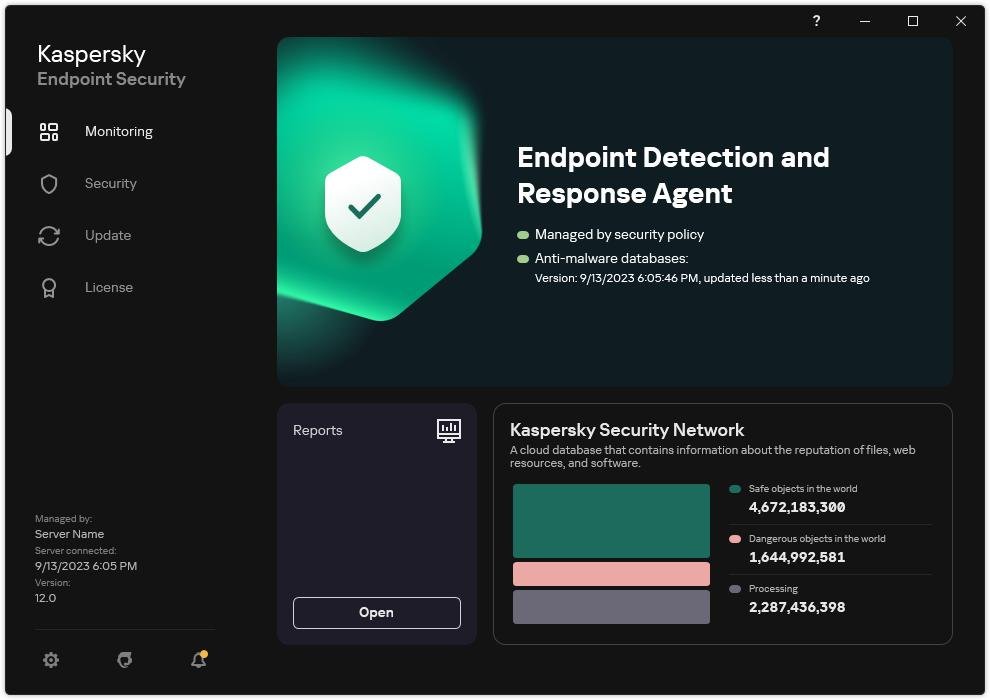
Endpoint Detection and Response Solutions
Cybersecurity threats continue to grow across the United States. Businesses of every size face risks from ransomware, malware, phishing attacks, and unauthorized access attempts. While traditional antivirus software still plays a role in security, modern threats have become more advanced and difficult to detect.
Because of this, many organizations are investing in endpoint detection and response solutions to strengthen their security defenses. These solutions help businesses monitor devices, identify suspicious activity, and respond quickly when threats are discovered.
Today, company laptops, desktops, mobile devices, and servers store valuable business information. If even one device becomes compromised, attackers may gain access to sensitive data, customer records, or internal systems.
This guide explains how endpoint detection and response solutions work, their benefits, key features, and how organizations can choose the right solution for their security needs.
What Are Endpoint Detection and Response Solutions?
Endpoint detection and response solutions are cybersecurity tools designed to monitor, detect, investigate, and respond to threats that target endpoint devices.
An endpoint can include:
- Desktop computers
- Laptops
- Servers
- Mobile devices
- Workstations
- Remote employee devices
These solutions continuously monitor endpoint activity and look for unusual behavior that may indicate a security threat.
Unlike traditional antivirus software that mainly focuses on known threats, endpoint detection and response solutions help identify both known and unknown attacks.
Their goal is to stop threats before they cause serious damage.
Why Endpoint Security Is Important
Modern businesses rely heavily on connected devices.
Employees work from:
- Offices
- Homes
- Shared workspaces
- Remote locations
Every connected device can become a potential entry point for cybercriminals.
If attackers gain access to a single endpoint, they may attempt to:
- Steal sensitive information
- Spread malware
- Access company networks
- Disrupt business operations
- Launch ransomware attacks
Strong endpoint protection helps reduce these risks.
How Endpoint Detection and Response Solutions Work
These solutions use several technologies to protect devices and networks.
Continuous Monitoring
The system monitors endpoint activity at all times.
This includes:
- File activity
- User actions
- Software behavior
- Network connections
Continuous monitoring helps identify unusual events quickly.
Threat Detection
Security tools analyze collected data and search for suspicious patterns.
Examples include:
- Unauthorized logins
- Unexpected file changes
- Malware activity
- Abnormal system behavior
Investigation
When suspicious activity is detected, security teams can investigate the event.
This helps determine whether the alert represents a real threat.
Automated Response
Many solutions can automatically respond to threats.
Actions may include:
- Isolating infected devices
- Blocking malicious processes
- Stopping suspicious connections
- Alerting security teams
Reporting
Detailed reports help organizations understand security events and improve protection strategies.
Key Features of Endpoint Detection and Response Solutions
Most modern EDR platforms include several important capabilities.
Real-Time Monitoring
Continuous monitoring allows organizations to identify threats quickly.
Threat Hunting
Security teams can actively search for hidden threats across devices.
Incident Investigation
Detailed event information helps analysts understand attack methods.
Automated Response
Automated actions reduce response times during security incidents.
Centralized Visibility
Organizations can monitor multiple endpoints from a single dashboard.
Security Analytics
Advanced analytics help identify suspicious patterns and unusual behavior.
Benefits of Endpoint Detection and Response Solutions
Many businesses choose EDR technology because of its security advantages.
Faster Threat Detection
Threats can be identified before they spread throughout the network.
Improved Security Visibility
Organizations gain better insight into endpoint activity.
Reduced Risk
Early detection helps minimize damage caused by cyberattacks.
Better Incident Response
Security teams can respond quickly to suspicious activity.
Support for Remote Work
Modern businesses often have remote employees working from different locations.
EDR solutions help secure those devices.
Common Threats Addressed by EDR Solutions
Endpoint detection and response technology helps protect against many types of cyber threats.
Ransomware
Ransomware can encrypt files and disrupt operations.
EDR tools can identify suspicious encryption behavior early.
Malware
Malicious software remains one of the most common security threats.
Phishing Attacks
Compromised credentials often result from phishing campaigns.
EDR solutions help detect suspicious activity after credentials are stolen.
Insider Threats
Employees or contractors may accidentally or intentionally create security risks.
Fileless Attacks
Some attacks operate entirely in memory without traditional malware files.
EDR solutions can often detect these advanced threats.
Traditional Antivirus vs Endpoint Detection and Response Solutions
Many organizations wonder how EDR differs from antivirus software.
| Feature | Traditional Antivirus | Endpoint Detection and Response Solutions |
|---|---|---|
| Known Threat Detection | Yes | Yes |
| Behavior Monitoring | Limited | Advanced |
| Threat Investigation | Basic | Detailed |
| Real-Time Monitoring | Limited | Continuous |
| Automated Response | Basic | Advanced |
| Threat Hunting | No | Yes |
| Visibility Across Devices | Limited | Centralized |
While antivirus software remains useful, EDR solutions provide broader protection against modern cyber threats.
Who Needs Endpoint Detection and Response Solutions?
Many organizations benefit from stronger endpoint security.
Small Businesses
Small businesses are frequent targets because they often have limited security resources.
Mid-Sized Companies
Growing businesses need stronger protection as their technology environments expand.
Large Enterprises
Large organizations manage hundreds or thousands of devices that require continuous monitoring.
Financial Institutions
Banks and financial companies handle valuable financial data.
Retail Businesses
Retail organizations process customer information and payment data.
Best Endpoint Detection and Response Solutions
Many organizations search for the best endpoint detection and response solutions to strengthen cybersecurity protection.
The ideal solution depends on business requirements, budget, and security goals.
Qualities of a Strong EDR Solution
| Feature | Importance |
| Real-Time Monitoring | Detects threats quickly |
| Automated Response | Reduces response times |
| Threat Investigation | Supports incident analysis |
| Centralized Management | Simplifies administration |
| Scalability | Supports business growth |
| Reporting Capabilities | Improves visibility |
Organizations should evaluate solutions based on their specific needs rather than choosing solely based on popularity.
Endpoint Detection and Response Tools
Modern endpoint detection and response tools provide security teams with advanced visibility into endpoint activity.
These tools often include:
- Threat monitoring
- Security analytics
- Automated response actions
- Incident investigation
- Threat hunting capabilities
Many organizations combine EDR tools with other security technologies to create stronger protection.
Benefits of Using EDR Tools
Enhanced Visibility
Security teams can view activity across multiple devices from a central platform.
Faster Investigations
Detailed event data helps identify the source of incidents.
Improved Compliance
Many industries require stronger security monitoring and reporting.
Reduced Downtime
Quick threat response helps prevent widespread disruptions.
How to Choose the Right Endpoint Detection and Response Solution

Selecting the right cybersecurity solution requires careful planning.
Understand Your Environment
Review:
- Number of devices
- Operating systems
- Remote workforce requirements
- Security risks
Evaluate Detection Capabilities
Strong detection capabilities help identify threats early.
Consider Ease of Use
Complex tools may require extensive training.
Review Integration Options
The solution should work with existing security technologies.
Compare Reporting Features
Clear reports improve decision-making and security management.
Challenges Organizations Face Without EDR
Businesses without advanced endpoint protection may encounter several risks.
Limited Visibility
Security teams may struggle to identify suspicious activity.
Slow Incident Response
Delayed response increases the potential impact of attacks.
Increased Risk of Data Loss
Threats may remain undetected for longer periods.
Higher Recovery Costs
Security incidents often become more expensive when detected late.
These risks highlight the importance of proactive endpoint security.
The Future of Endpoint Detection and Response Solutions
Cyber threats continue to evolve.
Future EDR technologies are expected to include:
- Improved automation
- Faster threat detection
- Better behavioral analysis
- Enhanced cloud security support
- Stronger integration with security platforms
As organizations continue adopting remote work and cloud technologies, endpoint security will remain a critical part of cybersecurity strategies.
Businesses that invest in advanced security solutions today are better prepared for future threats.
Frequently Asked Questions
What are endpoint detection and response solutions?
Endpoint detection and response solutions are cybersecurity tools that monitor devices, detect threats, investigate incidents, and respond to security risks.
Why are endpoint detection and response solutions important?
They help organizations identify threats early and reduce the impact of cyberattacks.
How are EDR solutions different from antivirus software?
EDR solutions provide continuous monitoring, threat investigation, and advanced response capabilities beyond traditional antivirus protection.
What are endpoint detection and response tools used for?
They are used to monitor devices, identify threats, investigate incidents, and support security teams during cyber events.
Can small businesses benefit from EDR solutions?
Yes. Small businesses often benefit greatly because they face many of the same threats as larger organizations.
Do EDR solutions support remote employees?
Yes. Most modern EDR platforms help protect remote devices regardless of location.
Conclusion
Cybersecurity threats continue to challenge organizations across every industry. Businesses must protect sensitive information, maintain customer trust, and reduce the risk of costly security incidents. Traditional security tools alone are often not enough to address today’s sophisticated attacks.
Endpoint detection and response solutions provide advanced monitoring, threat detection, investigation, and response capabilities that help organizations strengthen their security posture. By continuously monitoring endpoint activity and identifying suspicious behavior, these solutions help stop threats before they cause serious damage.
Many organizations searching for the best endpoint detection and response solutions focus on features such as real-time monitoring, automated response, centralized visibility, and strong reporting capabilities. To better understand endpoint security best practices, organizations can explore guidance from the National Institute of Standards and Technology (NIST) and review recommendations provided by the Cybersecurity and Infrastructure Security Agency (CISA).
As cyber risks continue to evolve, investing in effective endpoint security remains one of the smartest steps businesses can take to protect their systems, data, employees, and customers.