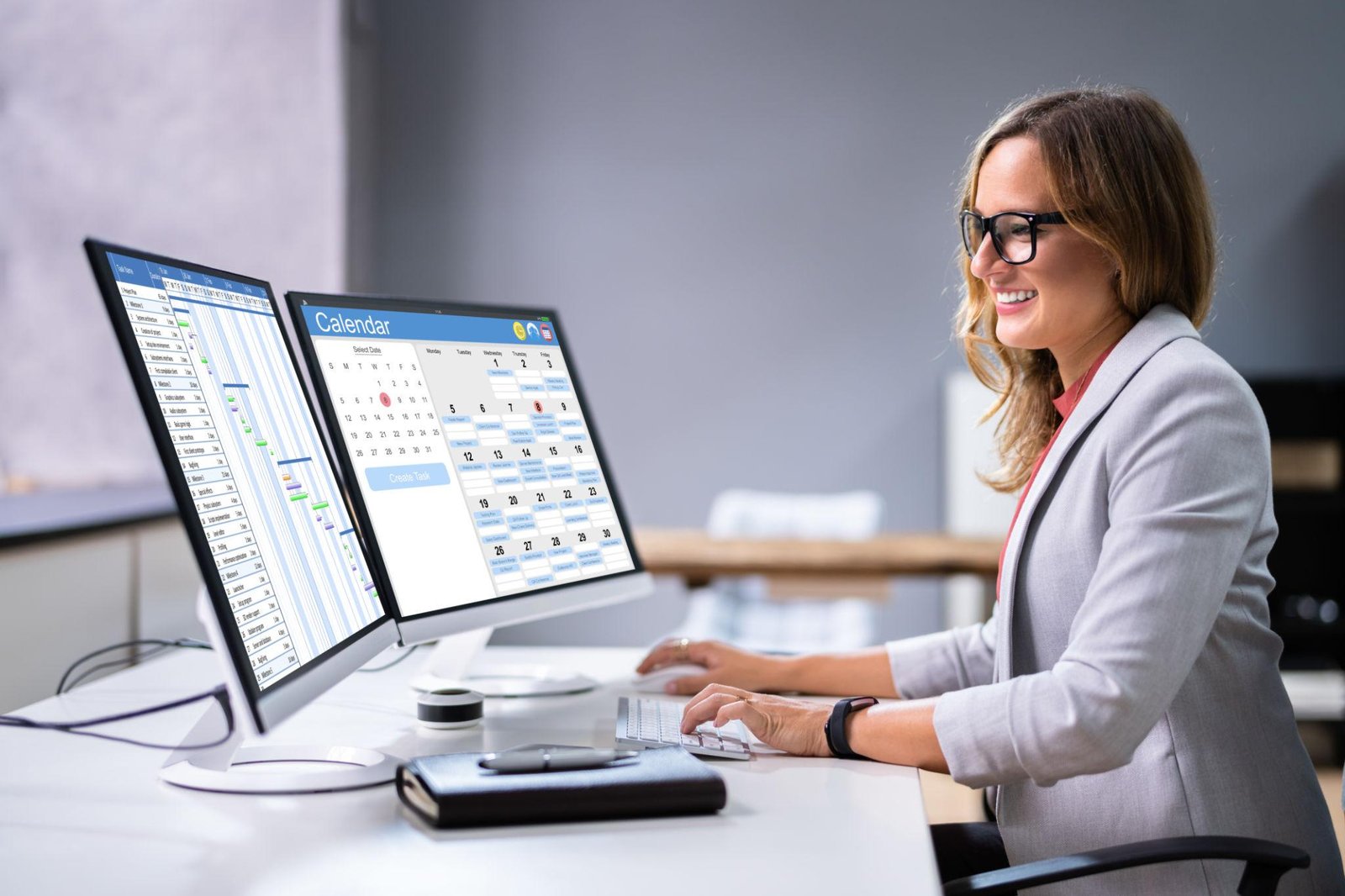
Employee Scheduling Software
Managing employee work schedules can be one of the most challenging tasks for business owners and managers. Whether you run a restaurant, healthcare facility, retail store, or service company, creating schedules that meet business needs while keeping employees happy is not always easy.
Many businesses still use spreadsheets, paper calendars, or manual scheduling methods. While these methods may work for small teams, they often become difficult to manage as a company grows. Mistakes such as overlapping shifts, missed shifts, and communication problems can affect productivity and customer service.
This is where employee scheduling software can make a difference.
Employee scheduling software helps businesses organize work schedules, manage employee availability, track shifts, and improve communication. These tools can save time, reduce scheduling errors, and help managers focus on other important tasks.
In this guide, we will explain what employee scheduling software is, how it works, its benefits, and why businesses in industries such as healthcare and restaurants are increasingly using scheduling technology.
What Is Employee Scheduling Software?
Employee scheduling software is a digital tool designed to help businesses create, manage, and share employee work schedules.
Instead of manually building schedules every week, managers can use software to organize shifts more efficiently.
Many scheduling platforms allow businesses to:
- Create employee schedules
- Assign shifts
- Track availability
- Manage time-off requests
- Send schedule updates
- Monitor labor costs
- Improve communication
The goal is to simplify workforce management and reduce scheduling problems.
Why Scheduling Matters
A well-organized schedule affects both employees and customers.
When schedules are poorly managed, businesses may experience:
- Understaffing
- Overstaffing
- Employee frustration
- Increased labor costs
- Reduced customer satisfaction
Good scheduling helps ensure the right employees are available at the right time.
Benefits of Effective Scheduling
| Benefit | Impact |
|---|---|
| Better Productivity | Employees know their schedules in advance. |
| Improved Customer Service | Adequate staffing during busy periods. |
| Lower Labor Costs | Prevents unnecessary overtime. |
| Better Employee Satisfaction | More predictable work schedules. |
| Reduced Errors | Fewer scheduling conflicts. |
How Employee Scheduling Software Works
Most scheduling systems operate through cloud-based platforms.
Managers can access schedules using computers, tablets, or smartphones.
Employees can often view their schedules through mobile apps.
Typical functions include:
- Creating shifts
- Assigning employees
- Publishing schedules
- Tracking attendance
- Managing schedule changes
Updates can often be shared instantly, helping everyone stay informed.
Key Features of Employee Scheduling Software
Different platforms offer different features, but many include similar tools.
Schedule Creation
Managers can quickly create weekly or monthly schedules.
Employee Availability Tracking
Employees can submit availability preferences.
Shift Swapping
Workers may request shift exchanges directly through the system.
Time-Off Requests
Vacation and leave requests can be reviewed and approved digitally.
Notifications
Automatic alerts inform employees about schedule changes.
Reporting
Managers can review staffing levels and labor costs.
Mobile Access
Employees can access schedules from their smartphones.
Benefits for Business Owners
Employee scheduling software offers several advantages for employers.
Saves Time
Manual scheduling often takes hours each week.
Software can reduce scheduling time significantly.
Reduces Mistakes
Automated systems help prevent scheduling conflicts.
Improves Communication
Schedule updates can be delivered instantly.
Supports Business Growth
As businesses expand, software helps manage larger teams efficiently.
Provides Better Workforce Visibility
Managers can quickly see staffing levels and employee availability.
Benefits for Employees
Employees also benefit from modern scheduling tools.
Easier Access to Schedules
Workers can check schedules anytime.
Faster Communication
Employees receive notifications about changes.
Better Work-Life Balance
Advance scheduling helps employees plan personal activities.
Simplified Shift Requests
Many systems allow digital requests for shift swaps and time off.
Happy employees often contribute to a more positive workplace environment.
Healthcare Employee Scheduling Software
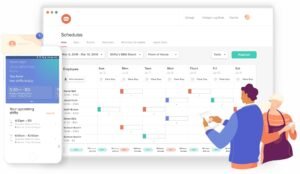
Healthcare organizations face unique scheduling challenges.
Hospitals, clinics, and medical offices often operate around the clock.
Because patient care depends on proper staffing, scheduling errors can create serious problems.
This is why many healthcare organizations use healthcare employee scheduling software.
Benefits for Healthcare Facilities
| Feature | Healthcare Advantage |
| Shift Management | Helps cover 24-hour operations |
| Staff Availability Tracking | Supports proper staffing levels |
| Overtime Monitoring | Helps manage labor costs |
| Compliance Support | Assists with scheduling requirements |
| Emergency Coverage | Responds quickly to staffing needs |
Healthcare employee scheduling software helps managers coordinate nurses, physicians, technicians, and support staff more efficiently.
Common Challenges in Healthcare Scheduling
Healthcare facilities often deal with:
- Rotating shifts
- Overnight schedules
- Emergency staffing needs
- Vacation requests
- Regulatory requirements
Scheduling software helps simplify these complex processes.
Employee Scheduling Software for Restaurants
Restaurants often operate in fast-paced environments where staffing needs can change quickly.
Busy weekends, holidays, and special events may require additional workers.
This makes employee scheduling software for restaurants especially valuable.
Restaurant managers frequently need to coordinate:
- Servers
- Hosts
- Bartenders
- Kitchen staff
- Delivery workers
Scheduling software helps ensure proper coverage during peak hours.
Also check – 10 Best Employee Scheduling Software Solutions for Businesses in 2026
Benefits for Restaurants
| Benefit | Result |
| Faster Scheduling | Managers save time each week. |
| Better Shift Coverage | Reduces staffing shortages. |
| Labor Cost Control | Supports budgeting goals. |
| Employee Flexibility | Simplifies shift changes. |
| Improved Communication | Staff receive instant updates. |
Employee Scheduling Software Restaurant Solutions
Many businesses specifically search for employee scheduling software restaurant tools because restaurant operations often require flexible scheduling.
Restaurant schedules can change due to:
- Seasonal demand
- Employee availability
- Special events
- Customer traffic patterns
Scheduling software helps restaurant managers adapt quickly.
Features often include:
- Mobile scheduling
- Shift trading
- Labor forecasting
- Real-time updates
- Team messaging
These tools help restaurants maintain smooth daily operations.
Industries That Use Scheduling Software
Scheduling software is useful in many industries.
Common users include:
- Healthcare facilities
- Restaurants
- Retail stores
- Hotels
- Manufacturing companies
- Warehouses
- Educational organizations
- Service businesses
Any organization with multiple employees and shifts can benefit from scheduling technology.
How Scheduling Software Helps Control Labor Costs
Labor is often one of the largest business expenses.
Scheduling software helps managers:
- Avoid unnecessary overtime
- Prevent overstaffing
- Match staffing to customer demand
- Improve workforce efficiency
Better scheduling decisions can positively affect business profitability.
Mobile Scheduling Benefits
Many modern scheduling platforms include mobile apps.
Employees can:
- View schedules
- Request time off
- Accept open shifts
- Swap shifts
- Receive notifications
Managers can also make changes remotely.
This flexibility improves communication and responsiveness.
What to Look for When Choosing Employee Scheduling Software
Every business has different needs.
Before selecting software, consider the following factors.
Ease of Use
The system should be simple for managers and employees.
Mobile Access
Mobile features improve convenience.
Scalability
The software should support future business growth.
Reporting Tools
Good reporting helps managers make informed decisions.
Integration Options
Some businesses prefer software that connects with payroll or time-tracking systems.
Customer Support
Reliable support can be valuable when issues arise.
Common Mistakes Businesses Make
Some companies invest in scheduling software but fail to maximize its benefits.
Common mistakes include:
- Not training employees
- Ignoring software features
- Failing to update schedules regularly
- Choosing software that lacks needed functionality
- Not gathering employee feedback
Proper implementation increases the value of the investment.
The Future of Employee Scheduling
Workforce management continues to evolve.
Modern scheduling systems are becoming more advanced and user-friendly.
Future improvements may include:
- Better workforce forecasting
- More automation
- Enhanced mobile features
- Improved reporting
- Stronger integration with business systems
Technology will continue helping businesses manage employees more effectively.
Why Employee Scheduling Software Is Worth Considering
Scheduling impacts nearly every part of a business.
Poor schedules can lead to:
- Lost productivity
- Employee dissatisfaction
- Customer service problems
- Higher labor costs
Employee scheduling software helps solve many of these challenges while improving efficiency and communication.
For businesses that manage multiple employees, the benefits often outweigh the costs.
Frequently Asked Questions
What is employee scheduling software?
Employee scheduling software is a digital tool that helps businesses create, manage, and share employee work schedules.
Who uses employee scheduling software?
Many industries use scheduling software, including healthcare, restaurants, retail, hospitality, and manufacturing.
What are the benefits of employee scheduling software?
Benefits include time savings, fewer scheduling mistakes, better communication, and improved workforce management.
Why is healthcare employee scheduling software important?
Healthcare facilities require proper staffing around the clock. Scheduling software helps ensure adequate coverage and supports efficient workforce management.
How does employee scheduling software for restaurants help managers?
Restaurant managers can create schedules faster, manage labor costs, handle shift changes, and improve staff communication.
Is employee scheduling software restaurant-specific?
Some platforms are designed specifically for restaurants, while others serve multiple industries.
Can employees access schedules from their phones?
Many modern scheduling systems offer mobile apps that allow employees to view schedules and receive updates.
Does scheduling software help reduce labor costs?
Yes. Better staffing decisions can help reduce overtime and prevent overstaffing.
Conclusion
Employee scheduling software has become an important tool for businesses that want to improve workforce management, reduce scheduling errors, and increase operational efficiency. Whether you operate a healthcare facility that relies on healthcare employee scheduling software or a food service business searching for employee scheduling software for restaurants, the right scheduling solution can simplify daily operations and improve communication.
Many companies also benefit from specialized employee scheduling software restaurant tools that support fast-changing staffing needs. By choosing software that fits your business requirements, you can save time, improve employee satisfaction, and create a more organized workplace. As technology continues to evolve, employee scheduling software will remain a valuable resource for businesses seeking smarter workforce management solutions.