Business Phone Systems
Whether a company serves customers, manages employees, or works with suppliers, phone communication remains an important part of daily operations. While emails and messaging apps are useful, many customers still prefer speaking directly with a business when they need help or information.
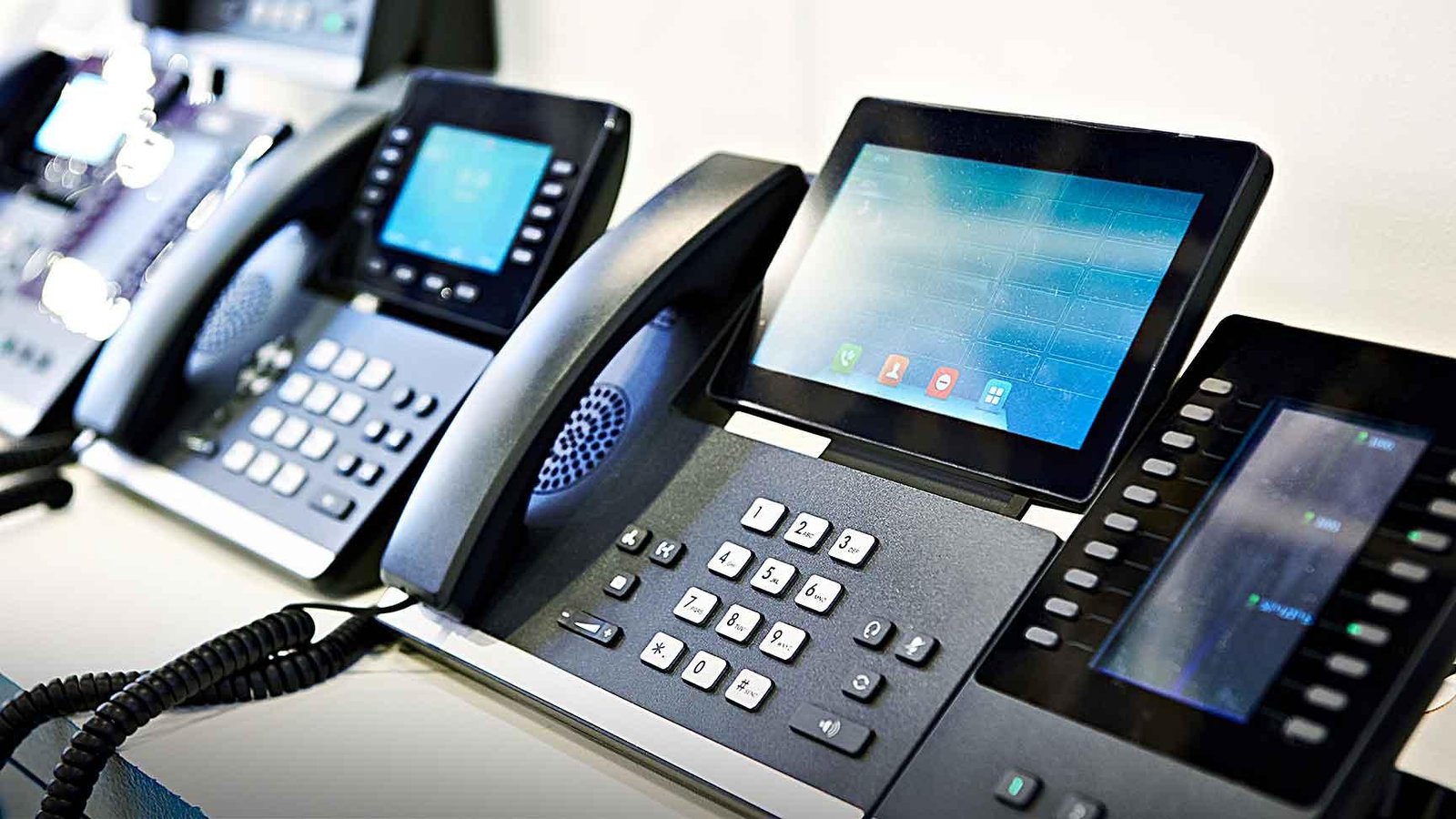
This is why business phone systems continue to be a valuable tool for companies of all sizes. Modern phone systems offer much more than simple calling features. They help businesses improve customer service, increase productivity, and create a professional image.
What Are Business Phone Systems?
Business phone systems are communication solutions designed specifically for companies. Unlike traditional home phone services, these systems include advanced features that support business operations.
A business phone system can help employees answer calls, transfer customers to the right department, manage voicemail messages, and communicate with team members more efficiently.
Today’s systems often combine voice calls, video meetings, messaging, and customer support tools into one platform.
Businesses use these systems to improve communication while maintaining a professional experience for customers.
Why Businesses Still Need Phone Systems
Many people assume that email and online chat have replaced phone calls. However, phone communication remains important because it allows immediate interaction.
Customers often call businesses when they need:
- Fast answers
- Technical support
- Product information
- Appointment scheduling
- Billing assistance
- Emergency help
A reliable phone system helps businesses respond quickly and professionally.
When customers can easily reach a company, they are more likely to trust the business and continue using its services.
How Business Phone Systems Have Changed
Years ago, companies relied on traditional desk phones connected through physical phone lines. These systems often required expensive hardware and maintenance.
Today, technology has changed the way businesses communicate.
Modern systems use internet connections instead of traditional phone lines. This allows businesses to access advanced features without investing in large amounts of equipment.
Companies can now make and receive calls from:
- Office phones
- Computers
- Smartphones
- Tablets
This flexibility supports remote work and hybrid work environments.
Types of Business Phone Systems
There are several types of business phone systems available.
Traditional Phone Systems
Traditional systems use physical phone lines provided by telephone companies.
Advantages include:
- Familiar technology
- Reliable call quality
Disadvantages include:
- Higher maintenance costs
- Limited flexibility
- Difficult upgrades
VoIP Phone Systems
Voice over Internet Protocol, commonly known as VoIP, uses internet connections to make calls.
Advantages include:
- Lower costs
- Easy setup
- Advanced features
- Remote access
Disadvantages may include:
- Dependence on internet service
Many businesses choose VoIP because of its affordability and flexibility.
Hosted Phone Systems
Hosted systems are managed by a service provider.
Businesses do not need to maintain complicated equipment because the provider handles updates and maintenance.
This option is popular among growing companies.
Understanding Cloud Based Business Phone Systems
Cloud based business phone systems have become one of the most popular communication solutions in the United States.
Instead of storing equipment on-site, the system operates through secure online servers managed by the provider.
Employees can access the phone system from almost anywhere with an internet connection.
Benefits of Cloud Based Business Phone Systems
| Benefit | Description |
|---|---|
| Lower Costs | Less hardware and maintenance |
| Flexibility | Access from multiple devices |
| Scalability | Easy to add users |
| Remote Work Support | Employees can work from anywhere |
| Automatic Updates | Provider manages software updates |
| Reliability | Built-in backup systems |
Cloud solutions help businesses stay connected while reducing operational costs.
Features Found in Modern Business Phone Systems
Modern phone systems offer a variety of useful features.
Call Forwarding
Calls can automatically be directed to another employee or device.
Auto Attendant
Customers hear a menu that guides them to the correct department.
Voicemail to Email
Voicemail messages are sent directly to email inboxes.
Conference Calling
Multiple participants can join the same call.
Mobile Applications
Employees can make business calls using smartphones.
Analytics and Reporting
Managers can review call performance and customer interactions.
These features help improve efficiency and customer satisfaction.
Why Small Businesses Need Better Communication Tools
Small businesses face unique challenges. They often have fewer employees and smaller budgets than larger companies.
At the same time, customers expect fast and professional service.
This is why many owners invest in small business phone systems.
A modern phone system helps smaller companies appear more professional while improving customer support.
Benefits include:
- Better customer experience
- Improved team communication
- Easier call management
- Lower operating costs
- Professional business image
Even a small company can provide excellent phone service with the right solution.
Small Business Phone Systems and Growth

As businesses grow, communication becomes more complex.
New employees need phone extensions. Customer calls increase. Support teams require better tools.
Many small business phone systems are designed to grow alongside the company.
Businesses can add:
- New users
- Additional phone numbers
- New departments
- Advanced features
This flexibility helps companies avoid replacing their phone systems as they expand.
Why Small Business Phone Systems VoIP Are Popular
Many companies now choose small business phone systems voip because they provide excellent value.
VoIP technology allows businesses to make calls through the internet rather than traditional phone lines.
This approach offers several advantages.
Easy Setup
Most systems can be installed quickly.
Remote Access
Employees can answer calls from home, the office, or while traveling.
Advanced Features
VoIP systems often include features that would cost extra with traditional providers.
Business Continuity
Calls can continue even if employees are not physically in the office.
These advantages make VoIP a practical choice for many small businesses.
Comparing Traditional and VoIP Systems
| Feature | Traditional System | VoIP System |
| Installation Cost | Higher | Lower |
| Maintenance | More Complex | Easier |
| Mobility | Limited | Excellent |
| Scalability | Limited | Flexible |
| Remote Work | Difficult | Easy |
| Advanced Features | Limited | Extensive |
For many businesses, VoIP offers better value and flexibility.
Also Check – 10 Best Business Phone Systems for Small Businesses in 2026
Important Factors When Choosing a Phone System
Every company has different needs.
Before selecting a solution, consider several important factors.
Business Size
A small team may need fewer features than a large organization.
Budget
Evaluate both setup costs and monthly expenses.
Remote Work Needs
Companies with remote employees benefit from cloud-based solutions.
Customer Service Requirements
Businesses with high call volumes may need advanced routing and reporting tools.
Future Growth
Choose a system that can expand as the company grows.
Planning ahead helps avoid expensive upgrades later.
Common Industries Using Business Phone Systems
Business phone systems are used in many industries.
Examples include:
- Healthcare
- Real Estate
- Legal Services
- Accounting
- Construction
- Retail
- Education
- Financial Services
- Technology Companies
- Marketing Agencies
Nearly every industry relies on professional communication.
How Business Phone Systems Improve Customer Service
Customer service often determines whether a customer stays loyal to a company.
A modern phone system improves customer interactions by:
- Reducing wait times
- Directing calls correctly
- Providing faster responses
- Offering voicemail options
- Supporting multiple communication channels
When customers receive quick assistance, they are more likely to have a positive experience.
Supporting Remote and Hybrid Teams
Remote work has become common across the United States.
Businesses need communication tools that support employees regardless of location.
Cloud based business phone systems allow team members to:
- Receive calls from home
- Join meetings remotely
- Transfer calls between locations
- Access voicemail online
This flexibility keeps businesses connected and productive.
Security Considerations
Business communication often involves sensitive information.
Companies should choose providers that offer:
- Data encryption
- Secure login systems
- User permissions
- Fraud protection
- Regular security updates
Protecting customer information should always be a priority.
Signs It’s Time to Upgrade Your Phone System
Many businesses continue using outdated systems longer than necessary.
- Frequent technical problems
- High maintenance costs
- Limited features
- Poor call quality
- Difficulty supporting remote workers
- Challenges adding new employees
Modern solutions often improve efficiency while lowering costs.
The Future of Business Communication
Business communication continues to evolve.
Future developments may include:
- Improved mobile integration
- Better video communication
- Enhanced call analytics
- Smarter automation tools
- Stronger security features
Businesses that adopt modern communication technology can better meet customer expectations and support future growth.
Benefits Summary
The following table highlights key advantages of modern business phone systems.
| Advantage | Benefit to Business |
| Professional Image | Improves customer trust |
| Better Customer Service | Faster response times |
| Remote Work Support | Greater flexibility |
| Lower Costs | Reduced expenses |
| Scalability | Supports business growth |
| Advanced Features | Improves efficiency |
| Improved Collaboration | Better team communication |
Businesses that invest in the right communication tools often experience stronger customer relationships and smoother operations.
Frequently Asked Questions (FAQs)
1. What are business phone systems?
Business phone systems are communication platforms designed to help companies manage calls, voicemail, call routing, conferencing, and other communication needs.
2. What are cloud based business phone systems?
Cloud based business phone systems operate through internet-based servers rather than equipment located inside the office. They offer flexibility and remote access.
3. Are VoIP phone systems good for small businesses?
Yes. Many small businesses choose VoIP because it offers lower costs, advanced features, and support for remote work.
4. What is the key difference among traditional and VoIP systems?
Traditional systems use physical phone lines, while VoIP systems use internet connections to make and receive calls.
5. Can employees use business phone systems from home?
Yes. Many modern systems allow employees to access calls, voicemail, and other features from home or any location with internet access.
6. How much do small business phone systems cost?
Costs vary depending on the provider, number of users, and features selected. Cloud and VoIP solutions are often more affordable than traditional systems.
7. Are cloud phone systems secure?
Most reputable providers offer encryption, secure access controls, and regular updates to protect business communications.
8. How do I choose the best business phone system?
Consider your business size, budget, customer service needs, remote work requirements, and future growth plans before making a decision.
9. Why are small business phone systems voip becoming more popular?
They provide flexibility, lower costs, advanced features, and the ability to work from almost anywhere.
10. Can a phone system help improve customer service?
Yes. Features such as call routing, auto attendants, voicemail management, and faster response times can improve the overall customer experience.
Conclusion
Business communication remains one of the most important parts of running a successful company. Modern business phone systems offer far more than basic calling features. They provide flexibility, cost savings, mobility, and tools that help businesses improve customer service.
Whether a company chooses traditional systems, cloud based business phone systems, or small business phone systems voip, the right solution can support growth and improve daily operations.
For small and growing companies, investing in reliable communication technology is often a smart long-term decision. A well-designed phone system helps create a professional image, supports employees, and ensures customers can always reach the business when they need assistance.